Tamara Safaris

Masai Mara National Reserve

Introduction

The Maasai Mara National Reserve is one of Africa’s most celebrated wildlife sanctuaries, located in Narok County, Kenya. It’s named in honor of the Maasai people, the traditional inhabitants of the area. The reserve is the northernmost part of the vast Mara-Serengeti ecosystem, which stretches south into Tanzania’s Serengeti National Park.

Widlife & Attractions

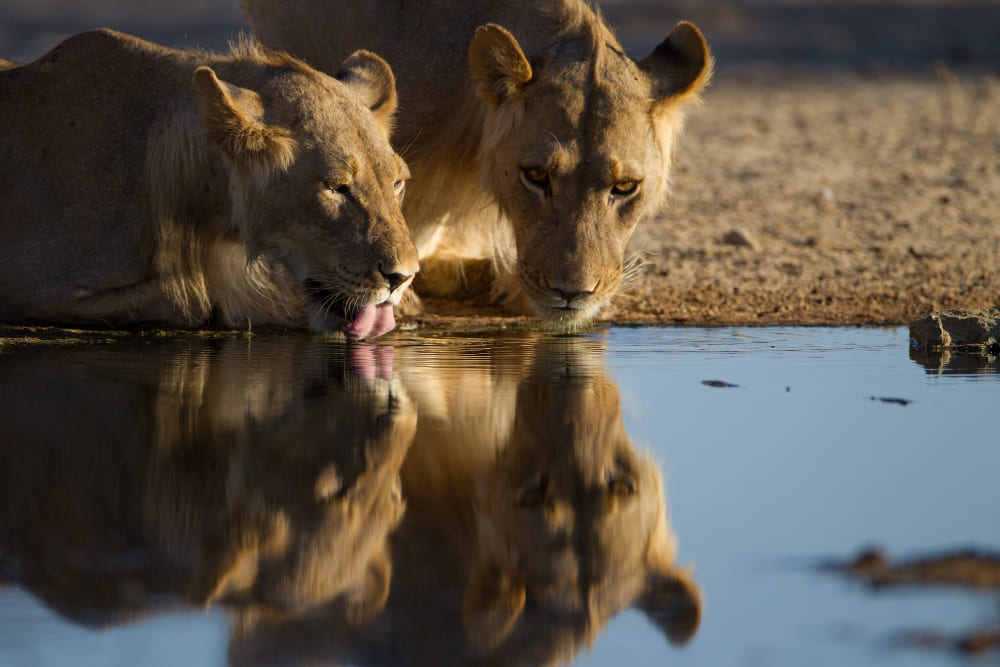
The Big Five: All members of the Big Five—lion, leopard, elephant, buffalo, and black rhinoceros—are present. The Mara is particularly noted for its healthy lion prides and is considered the best place in Africa to observe cheetahs. The black rhino population, though once severely depleted by poaching, is slowly recovering.

The Great Migration: The reserve’s most famous feature is hosting the Great Wildebeest Migration between roughly June and November. Over 1.5 million wildebeest, joined by zebras and gazelles, move north from the Serengeti in search of greener pastures. The dramatic crossings of the crocodile-infested Mara River are a highlight.

Other Activities: Beyond standard game drives, popular activities include night game drives (often in surrounding conservancies), birdwatching, guided nature walks/walking safaris, horseback safaris (in conservancies), and breathtaking hot air ballooning over the plains.

Sectors and Conservancies: The reserve is often discussed in terms of sectors like the Mara Triangle (known for less crowding and excellent migration views) and the Musiara Sector (famous for the ‘Marsh Pride’ of lions). The reserve is also surrounded by numerous community-owned conservancies (like Nashulai, Mara North, and Naboisho) which offer more exclusive experiences like off-road driving and walking safaris, while actively involving local landowners.

Maasai Culture: The Maasai are Nilotic pastoralists known for their distinctive culture, warrior tradition, and iconic red shukas. They traditionally inhabit the lands that now make up the reserve and surrounding areas.

Conservation Model: The system of community conservancies represents a vital evolution in conservation. These are areas where local Maasai landowners pool their land and lease it to tourism operators. This model ensures that local communities receive direct economic benefits (like lease fees) from conservation, which incentivizes them to protect wildlife corridors and maintain coexistence between people, their livestock, and wild animals. This approach supports local livelihoods and helps prevent communities from becoming “conservation refugees.”

Stewardship: The Maasai are increasingly playing an active role in managing these conservancies, reviving their traditional role as stewards of the land. Ethical tourism practices encourage visitors to respect the local customs and support community-run programs.

The Maasai Mara National Reserve stands as a remarkable example of a natural wonder where abundant wildlife, dramatic landscapes, and the ancient culture of the Maasai people converge in a dynamic ecosystem.

Contact Us

For more information or booking enquiries, get in touch with the below contacts:

Other Destinations

Samburu

A rugged, remote wildlife sanctuary located in the northern part of Kenya

Lake Nakuru

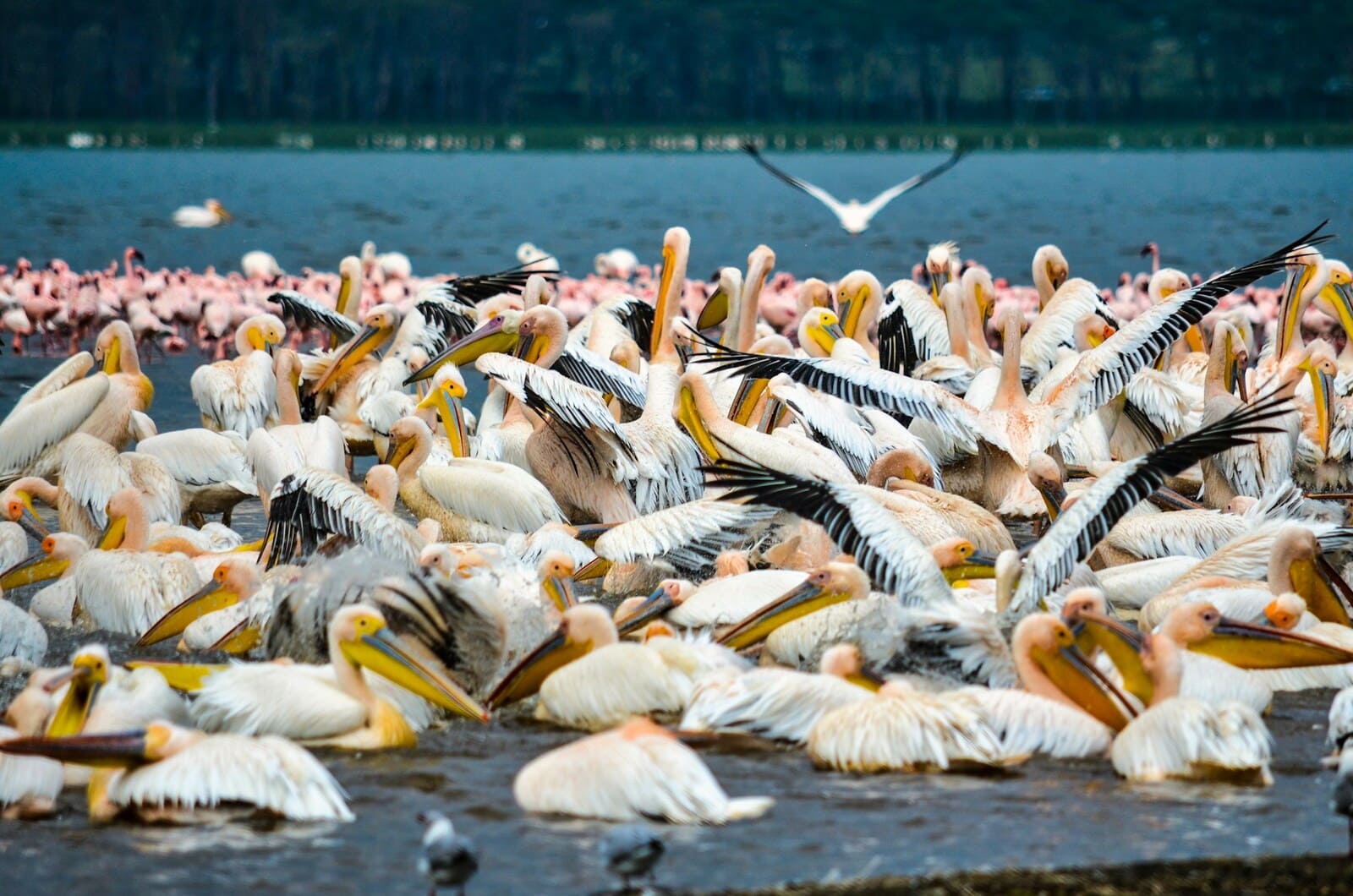
a unique combination of rich biodiversity, stunning scenery, birdlife and wildlife

Tsavo East

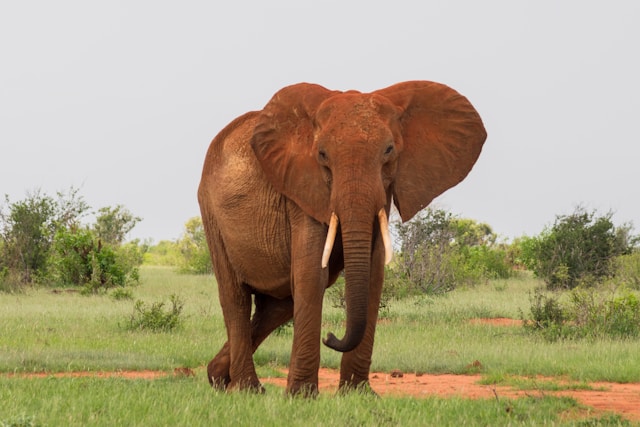
The largest national park in Kenya with major attraction of red-soiled elephants